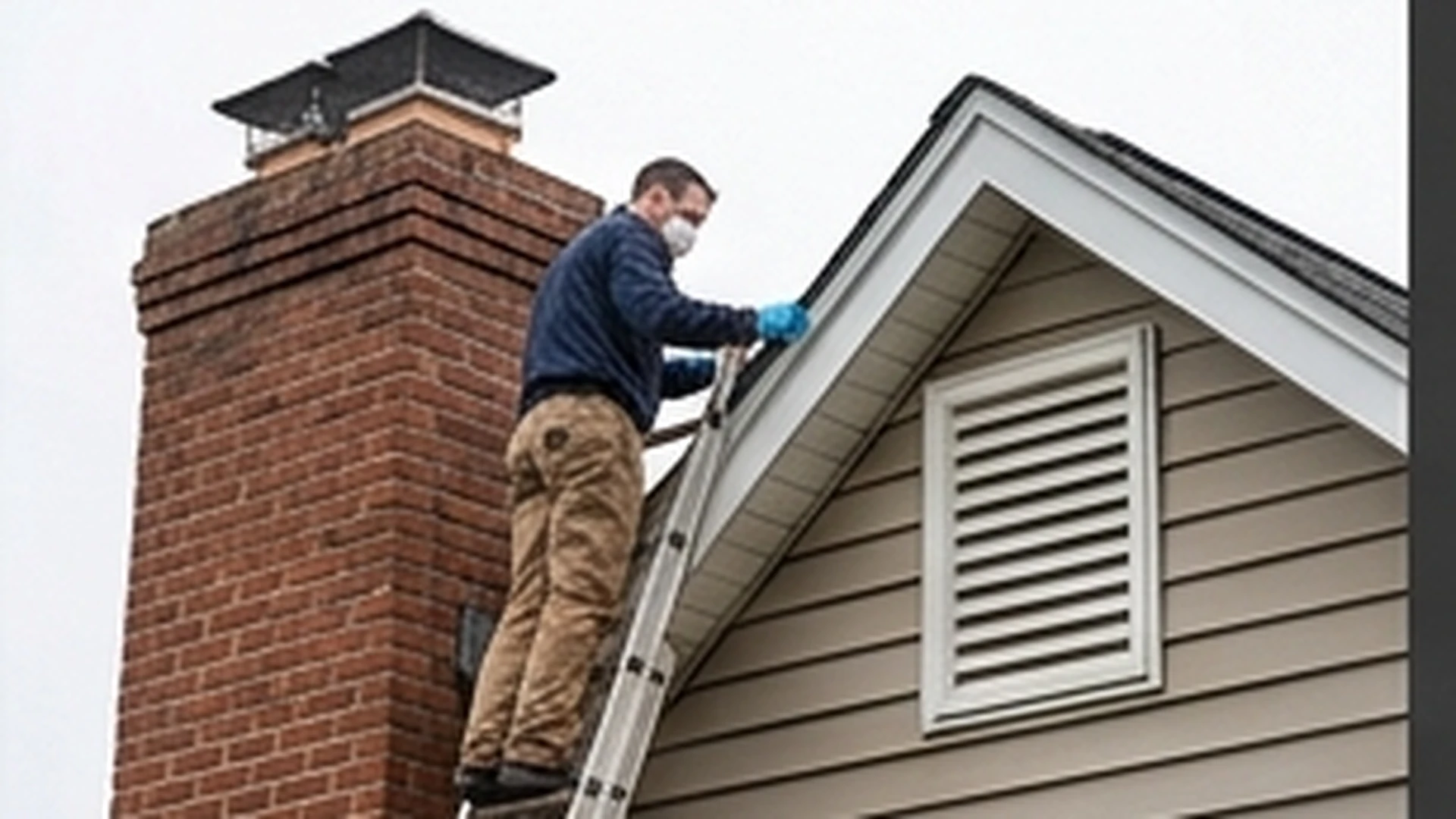
Bat Removal Glossary
Understanding bat removal terminology for Frederick property owners
Bat Removal Glossary
32 terms explained for Frederick property owners
A
Acoustic Detection
Using ultrasonic detectors to identify bat species and activity patterns based on their echolocation calls.
Learn more →Attic Restoration
Comprehensive restoration of attic spaces after bat activity, including cleanup, decontamination, insulation replacement, and structural repairs.
Learn more →Airborne Pathogens
Microorganisms in bat guano and urine that can become airborne and cause respiratory infections when inhaled.
Learn more →B
Bat Exclusion
The process of preventing bats from re-entering a structure by sealing entry points while allowing existing bats to exit safely.
Learn more →Bat-Proofing
Structural modifications to prevent bats from accessing a building, including sealing gaps, installing screens, and adding barriers.
Learn more →C
Colony
A group of bats living together in a structure. Bat colonies can range from a few dozen to hundreds or thousands of bats.
Learn more →Chimney Cap
A protective cover installed over chimney flues to prevent bats, birds, and other wildlife from entering while allowing smoke to escape.
Learn more →Colony Assessment
Evaluating the size, composition, and activity patterns of a bat colony to determine appropriate exclusion and cleanup strategies.
Learn more →D
E
Entry Point
Any gap, crack, or opening in a building that bats can use to gain access. Common entry points include roof vents, soffits, and chimney gaps.
Learn more →Entry Point Tracing
Systematically following bat activity signs to identify all access points, including primary exits and secondary vulnerabilities.
Learn more →Eaves
The lower edge of a roof that overhangs the walls, providing sheltered access points that bats frequently exploit.
Learn more →G
Guano
Bat droppings that can accumulate in attics and other areas. Guano can carry harmful pathogens and requires professional cleanup.
Learn more →Gable End
The triangular portion of a wall between the edges of intersecting roof pitches, often containing vents that bats use.
Learn more →O
One-Way Door
A specialized device installed over bat entry points that allows bats to exit but prevents them from returning, used in humane exclusion methods.
Learn more →Odor Removal
Eliminating persistent odors from bat guano, urine, and pheromone markers using specialized cleaning and treatment methods.
Learn more →P
Protected Species
Bat species that are legally protected under federal or state law, requiring special handling and exclusion procedures.
Learn more →PPE Requirements
Personal Protective Equipment required for safe bat removal and cleanup, including respirators, gloves, and protective clothing.
Learn more →R
Roost
The place where bats rest or sleep. In buildings, roosts are typically found in attics, eaves, and wall voids.
Learn more →Roofline Sealing
Sealing gaps and joints along rooflines, fascia boards, and eaves where bats commonly enter structures.
Learn more →Rabies
A viral disease that affects mammals, including bats. While rare in bats, it requires caution and proper handling.
Learn more →Ridge Vent
Ventilation installed along the peak of a roof that can be vulnerable to bat entry if not properly screened.
Learn more →S
Soffit Sealing
Installing screens or sealing materials on soffit and vent openings to prevent bat access while maintaining airflow.
Learn more →Soffit
The underside of eaves, overhangs, or architectural projections, often containing vents that bats use as entry points.
Learn more →Have questions about bat removal?
Contact us for expert guidance and a free inspection.