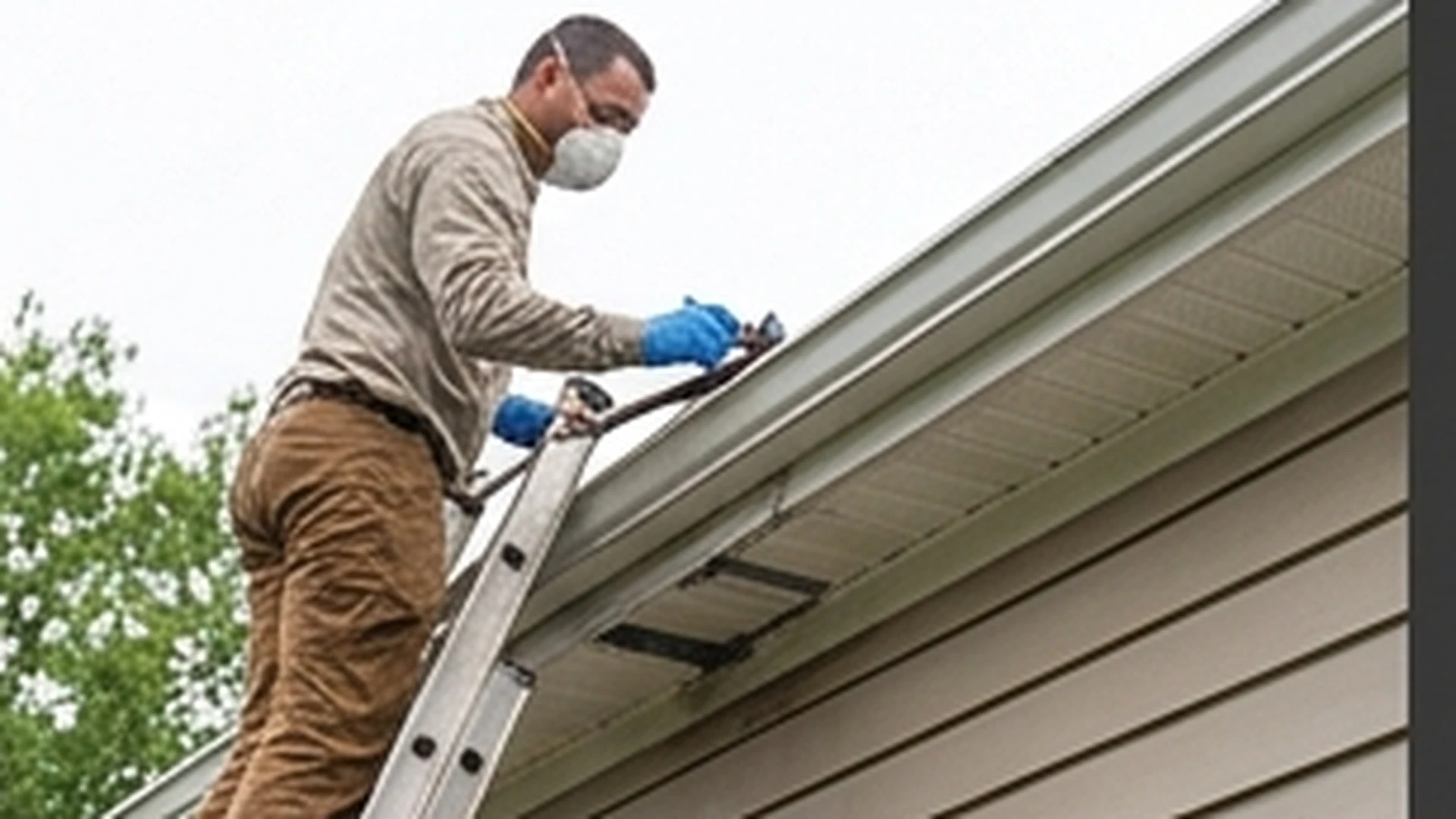
Bat Entry Point Sealing for Frederick properties
Bat Entry Point Sealing for Frederick properties dealing with specific roofline, trim, vent, fascia, chimney, or siding gaps where bats are entering.
What We Check Before Recommending The Work
When you call us for bat entry point sealing, we start with what you have seen, heard, or found, then inspect the structure before recommending a removal, exclusion, cleanup, or prevention plan.
We inspect primary openings, secondary gaps, roof edges, vents, soffits, fascia, chimney lines, siding transitions, loose trim, gable vents, construction gaps, and conditions that could invite a return.
We verify active use before sealing so the work prevents return without trapping animals inside.
What you get from this service:
- Inspection-led recommendations instead of guessing from the ground
- Humane exclusion and sealing planned in the right order
- Cleanup and prevention guidance when droppings or contamination are present
- Clear next steps for homes, rentals, commercial buildings, and historic structures
Local Frederick & Maryland Context
Frederick's mix of historic and newer homes presents diverse entry point challenges. Historic properties often have gaps from settling materials, complex trim details, and deteriorated mortar. Newer construction may have gaps from poor installation or material failure. Maryland's freeze-thaw cycles create new gaps over time. Local building codes affect sealing methods, especially on historic properties where preservation requirements may limit material choices.
How this service works
Listen
We listen to the sighting, sound, odor, droppings, or access concern and identify the safest first step.
Inspect
We inspect likely entry points, roost areas, and affected spaces so the scope matches the evidence.
Plan
We plan removal, humane exclusion, sealing, cleanup, or prevention in the right sequence.
Review
We review what was found, what was sealed or cleaned, and what should be monitored after service.
The goal is to remove the immediate concern, prevent bats from re-entering, protect people in the building, and leave you with a clear explanation of what was found and what was done.
Timing
Timing depends on safe access, activity signs, weather, building use, maternity-season considerations, and whether exclusion, sealing, and cleanup need to be sequenced.
Cost Factors
Cost depends on access, height, entry-point complexity, colony size, cleanup needs, insulation condition, sealing scope, timing, and whether the issue involves an occupied interior space or a larger building.
Health & Safety Considerations
Entry point sealing is structural work with minimal health risks since we're not disturbing active roosts. However, if sealing requires accessing areas with old guano, we use protective equipment. We ensure all work areas are clean and safe before completion. Sealing materials are non-toxic and safe for occupied structures.
Prevention Tips
Maintain sealed entry points by inspecting exterior annually for new gaps, addressing any damage from weather or pests, maintaining rooflines and trim in good repair, and monitoring for signs of renewed bat activity. Sealing is not permanent - materials degrade over time and new gaps can form.
Related Services
Entry point sealing is typically part of comprehensive exclusion or proofing. It may include roofline sealing, vent screening, and chimney cap installation. If sealing reveals active bat activity, exclusion becomes necessary. Regular sealing maintenance prevents future infestations.
Case Study
A Frederick homeowner with a 1960s ranch had bats repeatedly entering through gaps around the roof-to-wall transition and deteriorated fascia boards. Two previous companies had excluded bats but they kept returning because entry points weren't fully sealed. Inspection identified 12 specific entry points the others had missed. We sealed all gaps with durable sealants, replaced deteriorated fascia sections, reinforced the roof-to-wall transition with flashing, and added screening to nearby vents. The homeowners have now enjoyed three bat-free years - and learned that comprehensive sealing is the key to permanent results.
Questions about Bat Entry Point Sealing
If you are dealing with specific roofline, trim, vent, fascia, chimney, or siding gaps where bats are entering, this service is worth inspecting. We confirm evidence before recommending the scope.
Not always. We need to confirm activity and timing first so bats are not trapped inside and the repair does not fail.
Keep people and pets away from the room if you can do so safely, close interior doors, and call for guidance. Do not handle the bat barehanded.
Related services in Bat Exclusion & Proofing
You might also need these services as part of your complete solution
Humane Bat Exclusion
Humane Bat Exclusion for Frederick properties dealing with active bats that need one-way exit planning instead of trapping or sealing them inside.
Learn More Bat Proofing
Bat Proofing for Frederick properties dealing with known or likely bat entry points that need to be closed after activity is handled.
Learn More Roofline Bat Sealing
Roofline Bat Sealing for Frederick properties dealing with ridge, fascia, drip edge, dormer, or roof transition gaps.
Learn More Soffit & Vent Bat Sealing
Soffit & Vent Bat Sealing for Frederick properties dealing with loose soffits, gable vents, attic vents, and protected openings that should let air move but keep bats out.
Learn MoreNeed Help With Bat Entry Point Sealing?
Tell us what you have seen, heard, or found, and we will help you choose the safest next step.