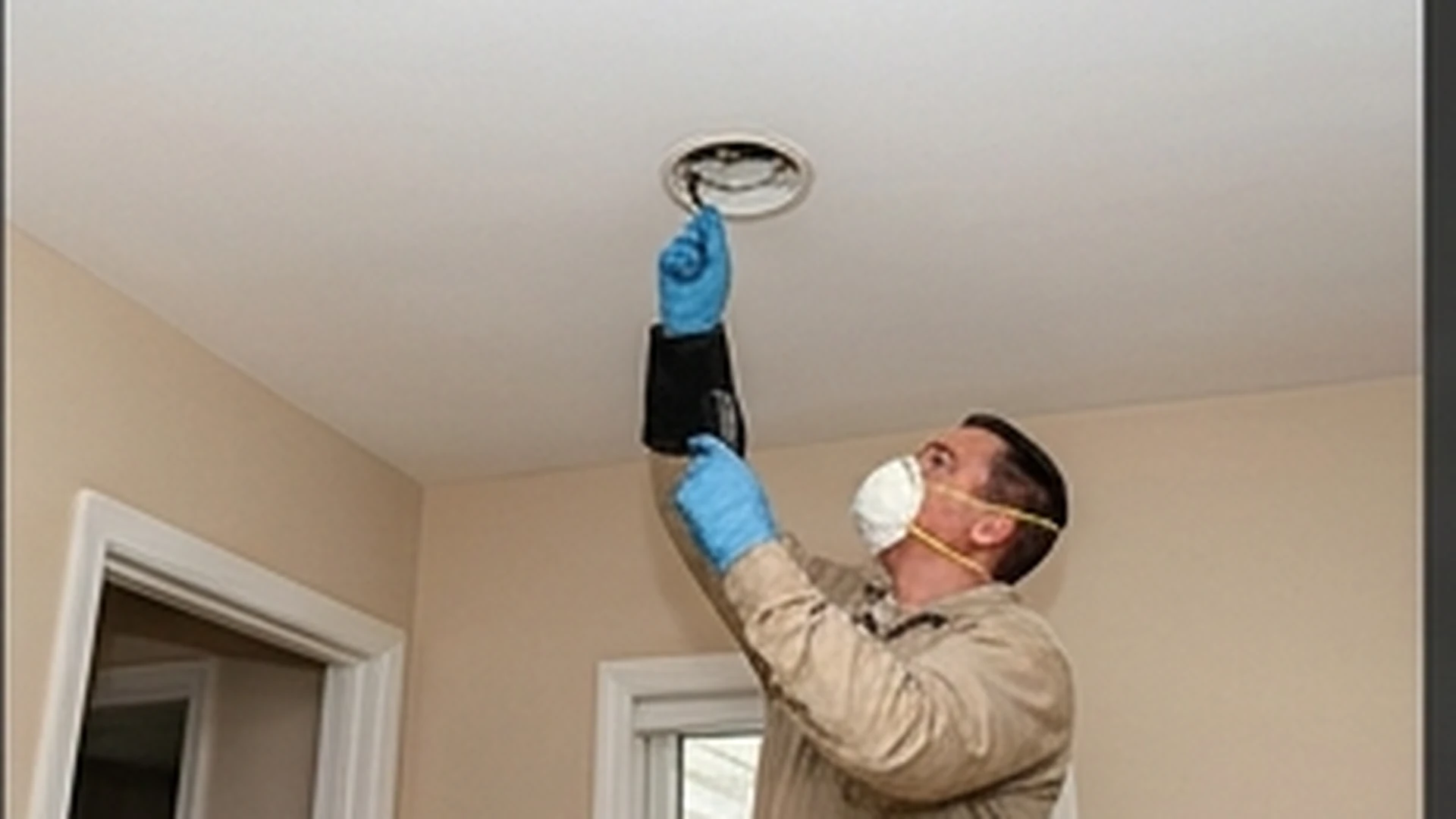
Bat Colony Removal for Frederick properties
Bat Colony Removal for Frederick properties dealing with multiple bats, repeated sightings, droppings buildup, or an established roost.
What We Check Before Recommending The Work
When you call us for bat colony removal, we start with what you have seen, heard, or found, then inspect the structure before recommending a removal, exclusion, cleanup, or prevention plan.
We check rooflines, ridge gaps, chimney flashing, soffits, gable vents, fascia seams, attic insulation, wall void signs, droppings, staining, odor, scratching sounds, and safe interior access.
We identify colony location, timing, maternity-season concerns, and the exclusion path before anyone seals openings.
What you get from this service:
- Inspection-led recommendations instead of guessing from the ground
- Humane exclusion and sealing planned in the right order
- Cleanup and prevention guidance when droppings or contamination are present
- Clear next steps for homes, rentals, commercial buildings, and historic structures
Local Frederick & Maryland Context
Frederick's older homes and agricultural structures can support large bat colonies due to expansive attic spaces, multiple roofline vulnerabilities, and proximity to water sources and insect populations. Historic properties in particular may have complex architecture that creates numerous entry opportunities. Maryland's climate supports healthy bat populations, and colonies can return to the same properties year after year if access isn't prevented. Local building codes affect how exclusion work can be completed, especially on designated historic structures.
How this service works
Listen
We listen to the sighting, sound, odor, droppings, or access concern and identify the safest first step.
Inspect
We inspect likely entry points, roost areas, and affected spaces so the scope matches the evidence.
Plan
We plan removal, humane exclusion, sealing, cleanup, or prevention in the right sequence.
Review
We review what was found, what was sealed or cleaned, and what should be monitored after service.
The goal is to remove the immediate concern, prevent bats from re-entering, protect people in the building, and leave you with a clear explanation of what was found and what was done.
Timing
Timing depends on safe access, activity signs, weather, building use, maternity-season considerations, and whether exclusion, sealing, and cleanup need to be sequenced.
Cost Factors
Cost depends on access, height, entry-point complexity, colony size, cleanup needs, insulation condition, sealing scope, timing, and whether the issue involves an occupied interior space or a larger building.
Health & Safety Considerations
Large colonies create significant health risks due to guano volume, urine accumulation, and airborne pathogens. We use extensive containment measures, HEPA filtration, and full protective equipment for all colony work. Air quality testing may be required before and after cleanup. If colony size indicates high rabies exposure risk, we coordinate with health authorities. Family members may need to vacate during intensive cleanup phases.
Prevention Tips
Prevent colony return by comprehensive bat proofing of all potential entry points, installing bat boxes away from the structure to provide alternative roosting, maintaining roofline and exterior integrity, eliminating insect attractants near the building, and scheduling annual inspections to catch new vulnerabilities before colonies establish.
Related Services
Colony removal is a comprehensive service that typically requires multiple related services. Extensive guano cleanup is almost always needed. Attic or wall restoration addresses structural damage. Comprehensive bat proofing prevents return. If the colony included pups, maternity season assessment was required. Ongoing prevention monitoring helps ensure the property remains bat-free.
Case Study
A Frederick church building with a large attic colony of approximately 200 bats had significant guano accumulation, odor issues, and staining on exterior walls. The colony had returned for three consecutive years. We conducted a comprehensive assessment mapping 28 entry points, planned exclusion for September after maternity season, installed 15 one-way devices at primary exits, sealed all secondary entry points, removed over 100 pounds of guano, decontaminated the attic, replaced insulation, and installed bat boxes on nearby trees. The church now enjoys a bat-free building with improved air quality - and peace of mind knowing the congregation is protected from health risks.
Questions about Bat Colony Removal
If you are dealing with multiple bats, repeated sightings, droppings buildup, or an established roost, this service is worth inspecting. We confirm evidence before recommending the scope.
Not always. We need to confirm activity and timing first so bats are not trapped inside and the repair does not fail.
Keep people and pets away from the room if you can do so safely, close interior doors, and call for guidance. Do not handle the bat barehanded.
Related services in Bat Removal Services
You might also need these services as part of your complete solution
Bats in Attic Removal
Bats in Attic Removal for Frederick properties dealing with attic noises, droppings, insulation concerns, roofline openings, or signs of a roost above living space.
Learn More Bats in Chimney Removal
Bats in Chimney Removal for Frederick properties dealing with activity around chimney caps, flashing, masonry gaps, fireplace odor, or bats entering through the flue area.
Learn More Bats in Walls Removal
Bats in Walls Removal for Frederick properties dealing with scratching, chirping, odor, staining, or activity that sounds like it is inside a wall cavity.
Learn More Emergency Bat in House
Emergency Bat in House for Frederick properties dealing with a bat loose inside the living area, bedroom, hallway, basement, or occupied space.
Learn MoreNeed Help With Bat Colony Removal?
Tell us what you have seen, heard, or found, and we will help you choose the safest next step.