Bat Guano Cleanup: Health Risks and Professional Solutions
When bats have been living in your attic or walls, they leave behind more than just the animals themselves. Bat droppings, called guano, can accumulate in significant quantities and pose serious health risks to you and your family. Understanding these risks and why professional cleanup is essential can help protect your health.
What is Bat Guano?
Guano is bat droppings that accumulate in roost areas. In residential settings, guano typically collects in:
- Attic insulation and floor joists
- Wall voids and crawl spaces
- Around entry points on exterior walls
- Beneath roost areas in chimneys or vents
Over time, guano can accumulate to depths of several inches in heavily infested areas. A single bat produces approximately 20-30 droppings per day, so a colony of 50 bats can create over 1,000 droppings daily.
Health Risks of Bat Guano
Histoplasmosis
The most serious health risk from bat guano is histoplasmosis, a fungal infection caused by inhaling spores of the Histoplasma capsulatum fungus.
- How it spreads: When guano is disturbed, fungal spores become airborne
- Symptoms: Range from mild flu-like symptoms to severe respiratory illness
- Risk factors: People with weakened immune systems are most vulnerable
- Severity: Can be fatal if untreated in severe cases
Histoplasmosis spores can remain viable in guano for years, creating long-term health risks if not properly addressed.
Other Health Concerns
Beyond histoplasmosis, bat guano can cause:
- Respiratory irritation - From ammonia in urine and decomposing guano
- Bacterial contamination - Various bacteria can grow in guano accumulations
- Parasites - Bat ectoparasites can remain in guano
- Allergic reactions - Some people are allergic to bat proteins
- Odor issues - Strong, persistent odors can permeate living spaces
Why DIY Cleanup is Dangerous
Attempting to clean bat guano yourself poses several risks:
Improper Protection
- Without proper respirators, you can inhale harmful spores
- Inadequate protective clothing allows exposure
- Lack of containment spreads contamination to other areas
Incomplete Removal
- Missing hidden accumulations in wall voids or insulation
- Inadequate decontamination leaves spores behind
- Surface cleaning doesn't address deep contamination
Legal and Safety Issues
- Maryland regulations may require professional cleanup
- Insurance may not cover DIY-related health issues
- Improper disposal can violate environmental regulations
Professional Guano Cleanup Process
Professional bat removal services follow a systematic cleanup process:
1. Assessment and Planning
- Inspect all affected areas
- Estimate guano volume and contamination extent
- Identify hidden accumulations in walls or insulation
- Plan containment and removal strategy
2. Containment Setup
- Seal off affected areas with plastic sheeting
- Create negative air pressure to prevent spore spread
- Establish decontamination zones
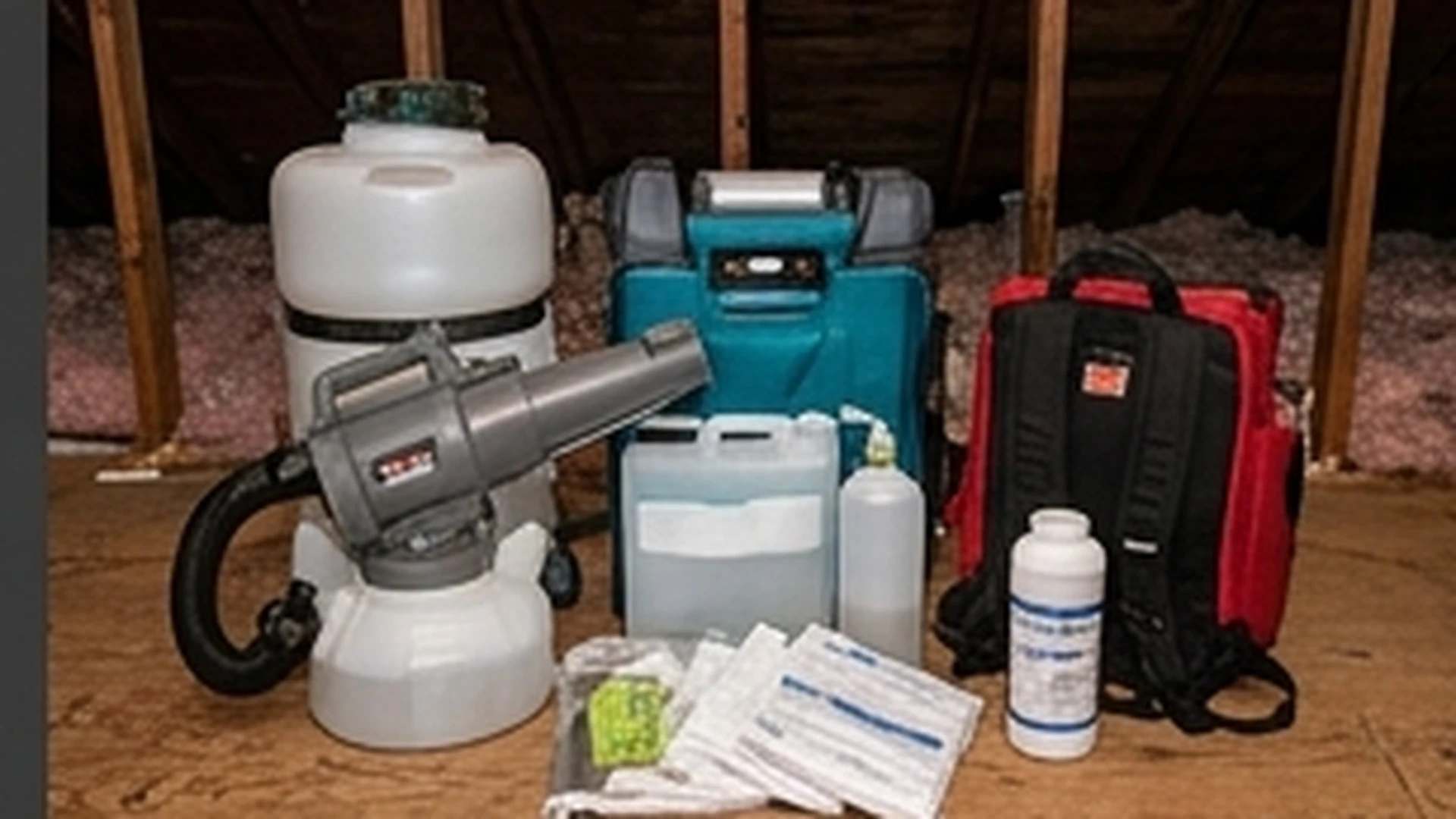
- Set up HEPA filtration equipment
3. Safe Removal
- Wear full PPE including N95 or better respirators
- Remove guano using HEPA vacuums and specialized tools
- Carefully bag and dispose of contaminated materials
- Avoid creating dust or disturbing spores
4. Surface Decontamination
- Apply specialized cleaning agents to kill remaining spores
- Treat all surfaces in affected areas
- Use enzyme cleaners to break down organic material
- Allow proper drying time
5. Insulation Assessment
- Evaluate insulation contamination level
- Remove and replace heavily contaminated insulation
- Clean less affected insulation if possible
- Install new insulation after decontamination
6. Air Quality Testing
- Test for airborne spores after cleanup
- Verify air quality is safe for occupancy
- Document results for homeowner records
- Address any remaining contamination issues
7. Final Inspection
- Ensure all guano has been removed
- Verify decontamination is complete
- Check for remaining odors
- Provide homeowner with completion documentation
When Guano Cleanup is Needed
Guano cleanup is typically necessary when:
- Bats have been present for more than a few weeks
- Visible guano accumulation is present
- Odors are noticeable in living spaces
- Insulation appears contaminated or compressed
- Air quality concerns exist
- Property sale or transfer is planned
Even small bat colonies can create significant guano over time, so cleanup is often needed even for seemingly minor infestations.
Insurance and Cost Considerations
Homeowners Insurance
- Some policies cover guano cleanup as part of pest damage
- Document everything with photos and professional reports
- Work with your insurance company and cleanup provider
- Understand your policy's specific coverage
Cost Factors
Guano cleanup costs depend on:
- Extent of contamination - More guano means more work
- Accessibility - Hard-to-reach areas require more time
- Insulation replacement - New insulation adds to the total
- Structural repairs - Damage from bats or moisture may need repair
- Air quality testing - Professional testing adds cost
While guano cleanup represents an investment, it protects your family's health and can restore property value.
Prevention After Cleanup
Once guano is cleaned up, preventing future accumulation is essential:
- Complete exclusion - Seal all bat entry points permanently
- Regular inspections - Check annually for new vulnerabilities
- Monitor for signs - Watch for returning bat activity
- Maintain ventilation - Proper attic ventilation reduces moisture issues
- Address attractants - Eliminate insect attractants near the home
Timeline for Cleanup
Professional guano cleanup typically takes:
- Assessment: 1-2 hours
- Containment setup: 1-2 hours
- Removal: 1-3 days depending on volume
- Decontamination: 1-2 days
- Insulation replacement: 1-3 days if needed
- Final inspection and testing: 1 day
Most guano cleanup projects complete within 3-7 days from start to finish.
Next Steps
If you suspect bat guano in your Frederick home:
- Don't disturb it - Avoid spreading contamination
- Stay out of affected areas - Especially the attic
- Schedule professional inspection - Confirm guano and assess extent
- Plan for cleanup - Include it in your overall bat removal plan
- Address the source - Exclude bats to prevent reaccumulation
Contact us for a professional inspection that includes guano assessment. We'll evaluate the contamination, explain cleanup options, and create a comprehensive plan for safe removal.
Schedule your inspection today or call (240) 555-0187.