Historic Homes in Frederick: Special Bat Removal Considerations
Frederick's historic district and older homes throughout the city present unique challenges for bat removal. These beautiful properties have architectural features that bats love, but removing bats from historic structures requires special techniques, preservation awareness, and often coordination with local authorities.
Why Historic Homes Attract Bats
Architectural Features
Historic homes have characteristics that make them bat magnets:
- Complex rooflines - Multiple gables, dormers, and steeples create countless entry opportunities
- Ornate trim work - Decorative brackets, cornices, and fascia create hidden gaps
- Chimneys and cupolas - Vertical structures provide ideal roosting spaces
- Aging materials - Settling and weather exposure create gaps over time
- Original construction - Balloon framing and older building methods create hidden pathways
Construction Methods
Historic building techniques contribute to bat access:
- Balloon framing - Allows bats to travel between wall voids and attics
- Lath and plaster - Deterioration creates access points
- Original windows and doors - Gaps around frames provide entry
- Unlined chimneys - Direct access to flues and chase spaces
Preservation Considerations
Historic District Regulations
Frederick's Historic District has specific requirements:
- Exterior work approval - Changes to visible exterior elements may require approval
- Material restrictions - May require historically accurate materials
- Documentation requirements - Before and after photos may be needed
- Contractor qualifications - May require contractors with historic preservation experience
Preservation Guidelines
When working on historic properties:
- Maintain historic character - Don't alter distinctive features
- Use appropriate materials - Match or complement original materials
- Minimize visible changes - Sealing should be as unobtrusive as possible
- Document all work - Photos and records for future reference
Special Bat Removal Techniques for Historic Homes
Non-Invasive Inspection
Historic properties require careful inspection:
- Visual inspection priority - Minimize invasive probing
- Thermal imaging - Detect heat signatures without opening walls
- Acoustic detection - Locate activity without physical access
- Careful exterior examination - Note all architectural details
Gentle Sealing Methods
Sealing historic homes requires special approaches:
- Reversible techniques - Use methods that can be undone if needed
- Color-matched materials - Sealants and materials that blend with original
- Minimal intervention - Seal only what's necessary
- Preservation of trim - Don't remove or alter historic elements
Specialized Equipment
Working on historic structures may require:
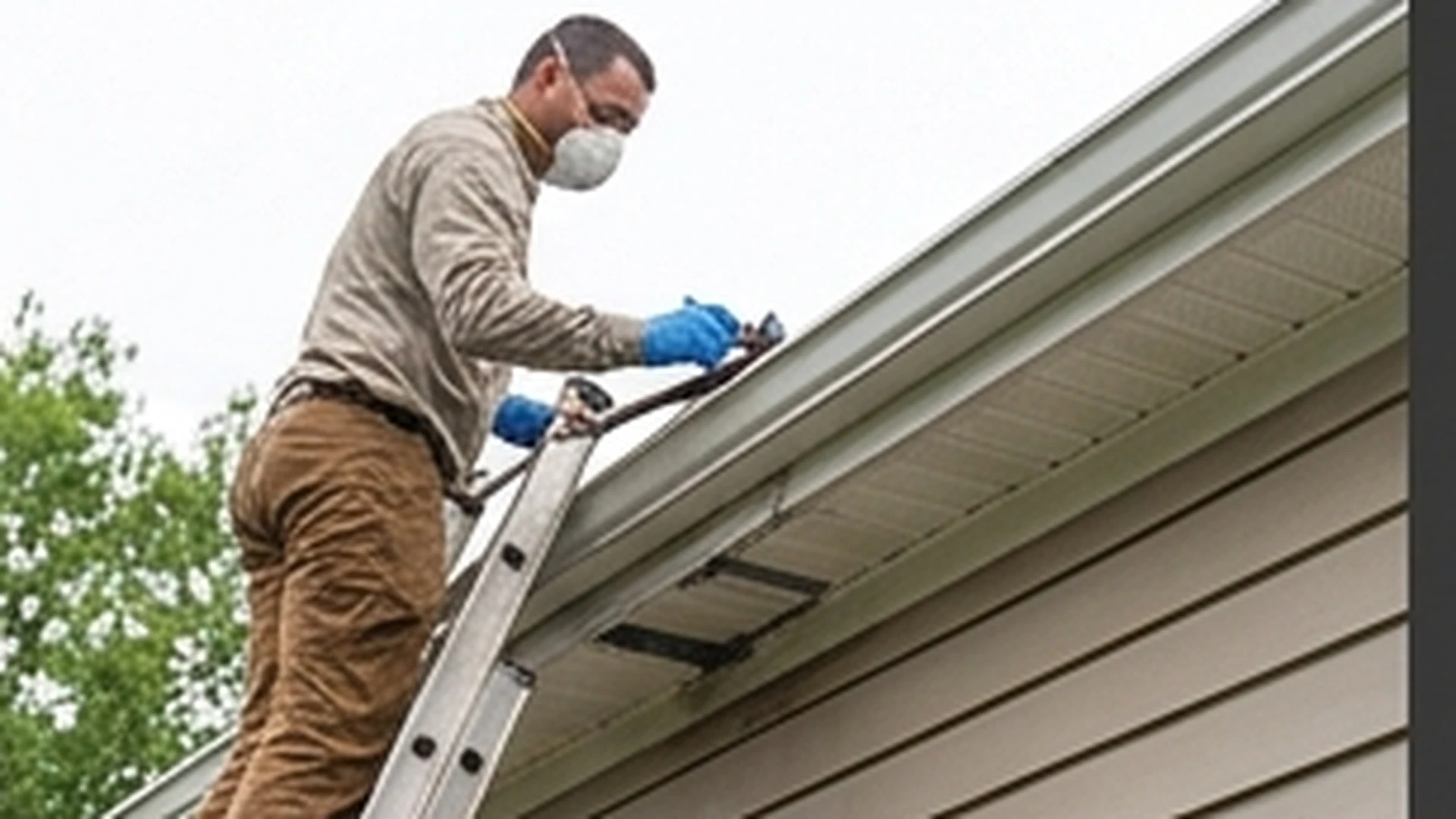
- Scaffolding - Safe access to steep roofs and tall features
- Specialty sealants - Materials appropriate for historic masonry and wood
- Custom fabrication - One-size-fits-all solutions don't work on unique architecture
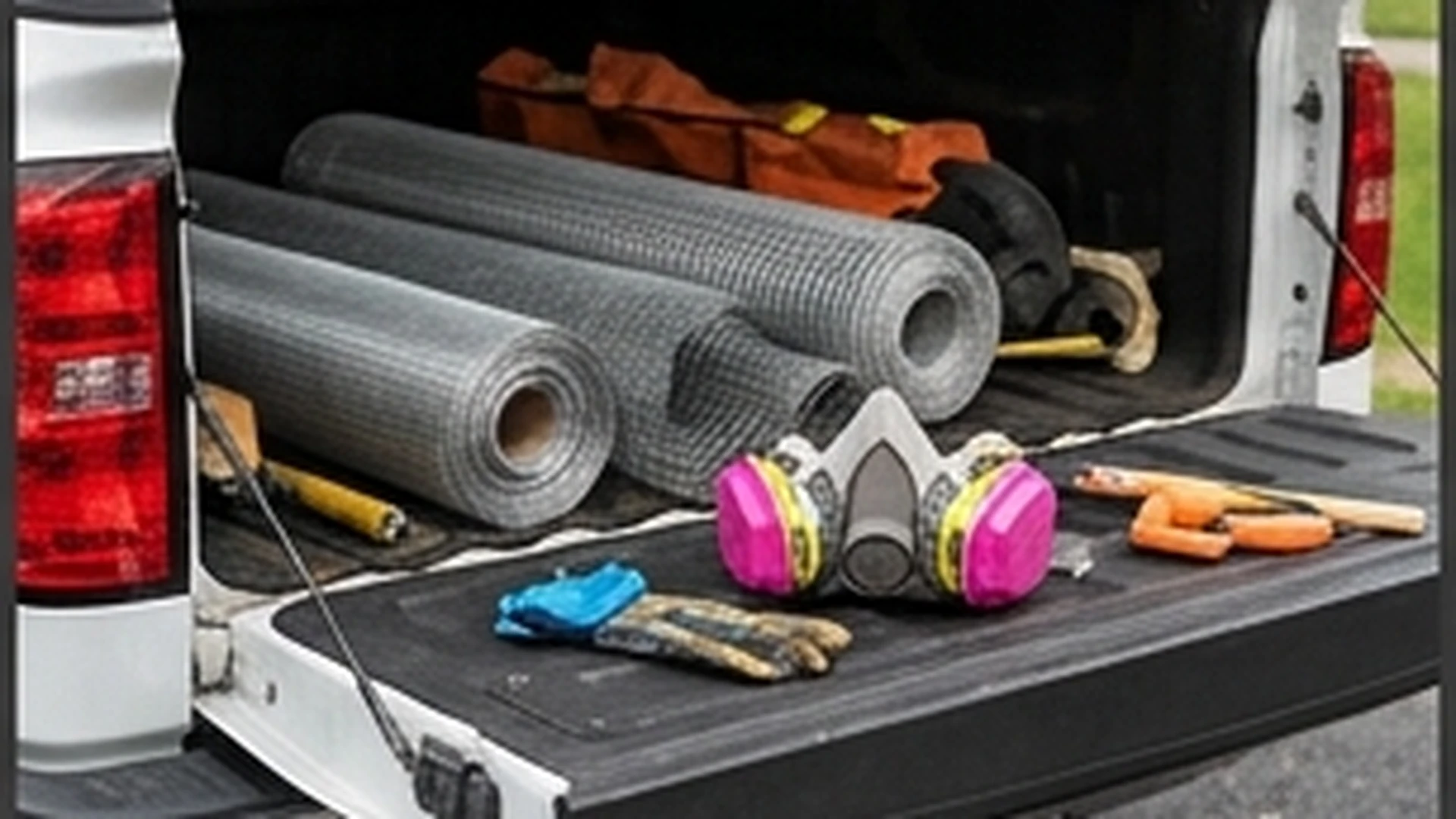
- Preservation-focused tools - Equipment that won't damage historic materials
Common Entry Points in Historic Homes
Architectural Vulnerabilities
Dormers
- Complex joints where dormers meet main roof
- Gaps around dormer windows
- Deteriorated dormer siding or trim
- Ventilation openings in dormers
Decorative Elements
- Cornices and brackets with hidden gaps
- Ornamental trim with age-related separation
- Cupolas and belvederes with ventilation
- Roof cresting and finials with access points
Chimneys and Flues
- Multiple flues in large chimneys
- Decorative chimney caps that allow bat entry
- Chase spaces between flues
- Deteriorated mortar and flashing
Structural Vulnerabilities
Roofline Areas
- Fascia boards with age-related gaps
- Soffits with original venting that needs screening
- Eave details with hidden access
- Ridge vents on complex rooflines
Wall Areas
- Balloon framing creating wall-to-attic pathways
- Original window and door frames with gaps
- Siding joints that have opened over time
- Utility penetrations in original locations
Working with Preservation Authorities
Frederick Historic District Commission
If your property is in the historic district:
- Check requirements - Understand what work needs approval
- Submit applications - For exterior work that's visible
- Attend hearings - If required for your project
- Follow guidelines - Adhere to preservation standards
Historic Preservation Tax Credits
For qualifying properties:
- Document everything - Before, during, and after photos
- Follow Secretary of Interior standards - For preservation work
- Work with qualified professionals - Experienced with historic properties
- Maintain records - For tax credit documentation
Cost Considerations for Historic Properties
Bat removal from historic homes typically costs more due to:
Additional Complexity
- Specialized inspection techniques - Thermal imaging, acoustic detection
- Custom solutions - One-size-fits-all doesn't work
- Special equipment - Scaffolding, specialty tools
- Longer project time - Careful work takes more time
Preservation Requirements
- Material costs - Historically appropriate materials cost more
- Specialized labor - Preservation expertise commands premium
- Documentation - Photos, reports, applications take time
- Approval processes - Historic district review adds time
Value Consideration
While costs are higher, consider:
- Property value protection - Preserving historic character maintains value
- Prevention of damage - Bats can cause significant damage to historic materials
- Long-term investment - Quality work lasts longer
- Compliance benefits - Proper work avoids future issues
Finding Qualified Professionals
When hiring for historic property bat removal:
Questions to Ask
- "Do you have experience with historic properties?"
- "Are you familiar with Frederick's historic district requirements?"
- "Can you provide references for similar historic projects?"
- "How do you approach preservation during bat removal?"
- "Will you work with preservation authorities if needed?"
Red Flags
- Unwilling to discuss preservation requirements
- One-size-fits-all approach regardless of architecture
- No experience with historic properties
- Unfamiliar with local regulations
- Lowest price without justification
Ideal Qualifications
- Experience with Frederick historic properties
- Knowledge of preservation techniques
- Willingness to coordinate with authorities
- Portfolio of similar projects
- Respect for historic character
Timeline for Historic Properties
Bat removal from historic homes often takes longer:
- Initial inspection: 2-4 hours (more thorough assessment)
- Planning and approvals: 1-4 weeks (if historic district approval needed)
- Exclusion work: 3-5 days (more careful, specialized techniques)
- Verification: 2-3 weeks (longer monitoring for complex structures)
- Total project: 6-12 weeks from start to finish
Case Study: Victorian Row House
Property: 1890s Victorian row house in downtown Frederick Challenge: Bats in multiple dormers and complex roofline Solution:
- Thermal imaging to locate all activity without invasive inspection
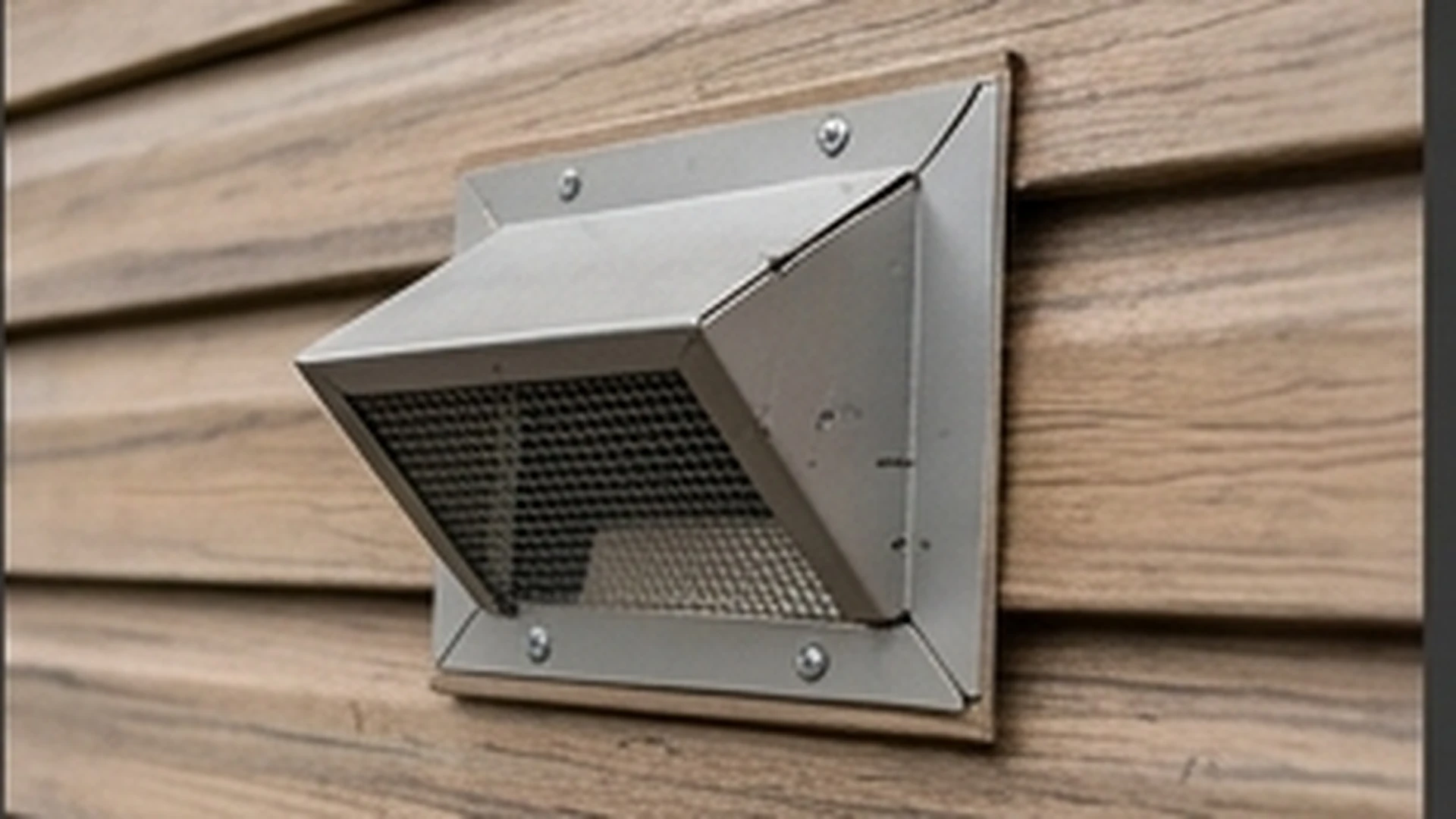
- Custom-fabricated screens for dormer vents that matched original appearance
- Color-matched sealants for fascia and trim work
- Coordination with Historic District Commission for approval
- Careful exclusion over 4 days to protect delicate architectural features
- Result: Bats excluded, historic character preserved, property protected
Prevention for Historic Homes
After bat removal, maintain protection with:
Regular Monitoring
- Annual inspections of all architectural features
- Check for new gaps from settling or weather
- Monitor dormers, chimneys, and decorative elements
- Document any changes over time
Prompt Maintenance
- Address weather damage immediately
- Replace deteriorated sealant before gaps open
- Maintain roof and flashing in good condition
- Keep vegetation trimmed away from structure
Professional Partnership
- Establish relationship with preservation-aware professionals
- Schedule regular inspections
- Address concerns before they become major problems
- Maintain documentation of all work
Insurance and Historic Properties
Coverage Considerations
- Review your policy for historic property coverage
- Document bat damage thoroughly with photos
- Work with insurance on preservation requirements
- Understand what's covered vs. what's excluded
Value Protection
- Proper bat removal protects your investment
- Preservation maintains property value
- Documentation supports insurance claims
- Professional work provides warranties
Next Steps
If you have a historic Frederick home with bat issues:
- Choose preservation-aware professionals - Experience with historic properties
- Understand preservation requirements - Historic district rules if applicable
- Plan for longer timeline - Careful work takes more time
- Budget appropriately - Historic properties cost more to treat
- Document everything - Photos and records for preservation and insurance
Contact us for historic property bat removal. We have extensive experience with Frederick's historic homes, understand preservation requirements, and use specialized techniques to protect both your property and its historic character.
Schedule your inspection today or call (240) 555-0187.